


Framework for Supervisors
Tips for EPA Assessors
Step-by-Step Process for completing an EPA
Step 1
JMS and/or Assessor identify a suitable routine, clinical task.

Step 2
Assessor observes JMS performing all or part of this task

Step 3
JMS completes self-assessment/self-reflection regarding performance.

Step 4
Assessor uses entrustability scale to identify level of supervision intern needs for that task

Step 5
Assessor and JMS Feedback discussion: Identifies a few opportunities for development

What areas should be assessed?
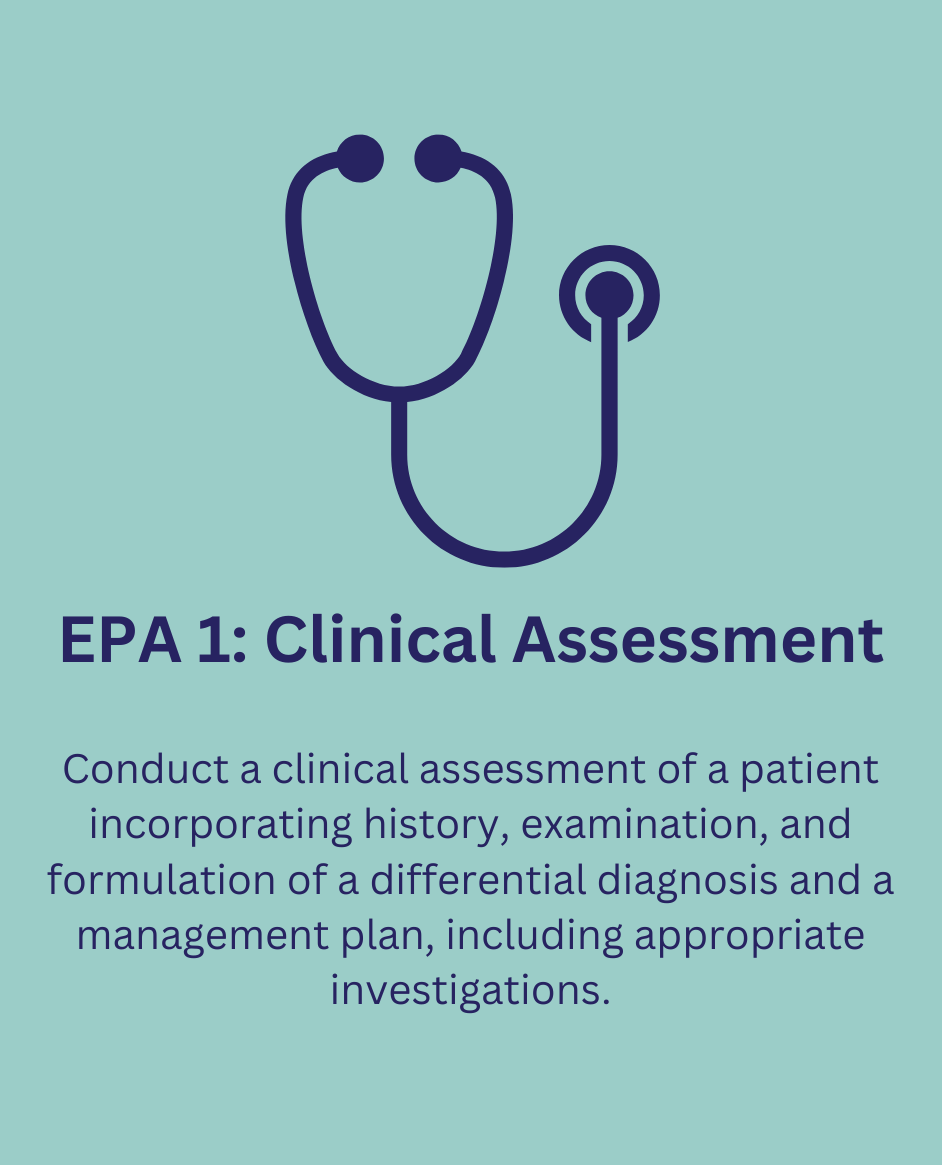
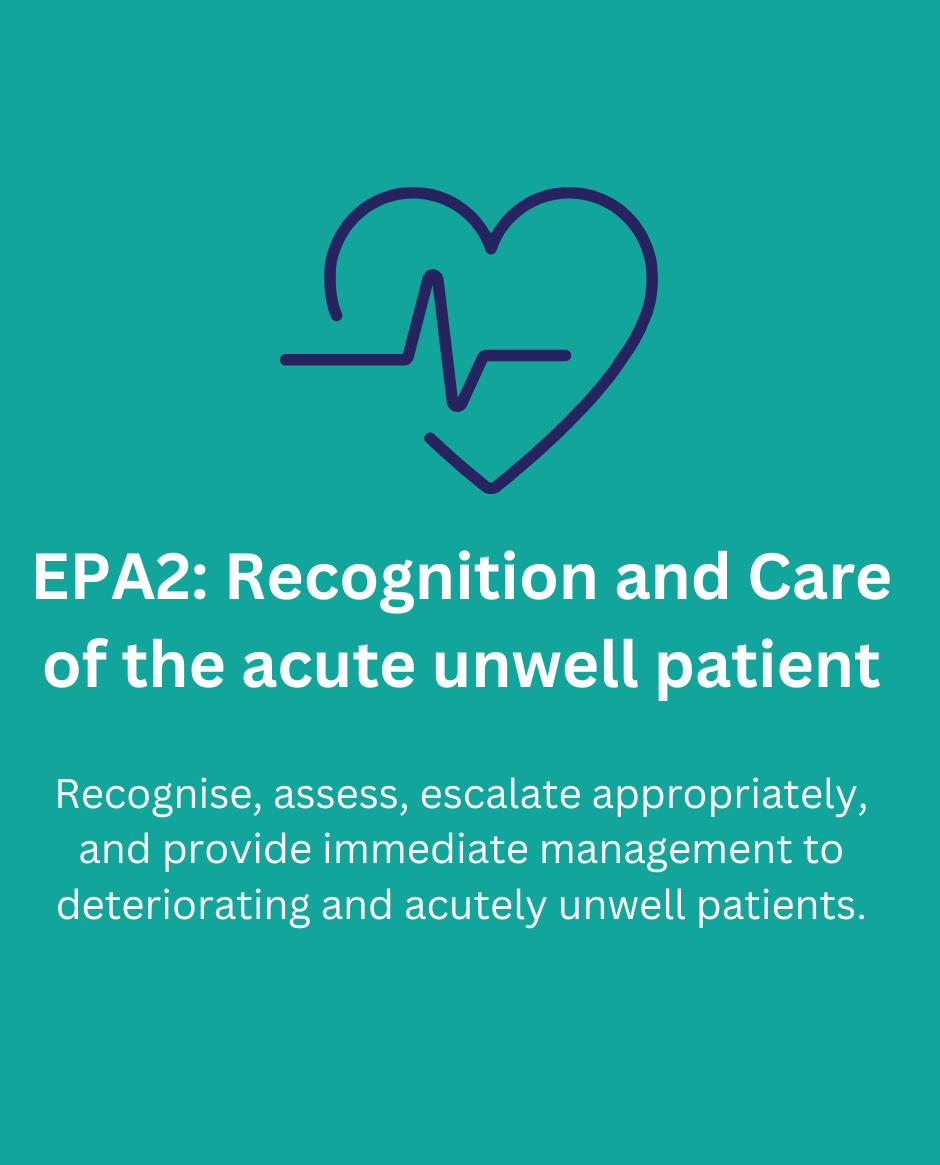
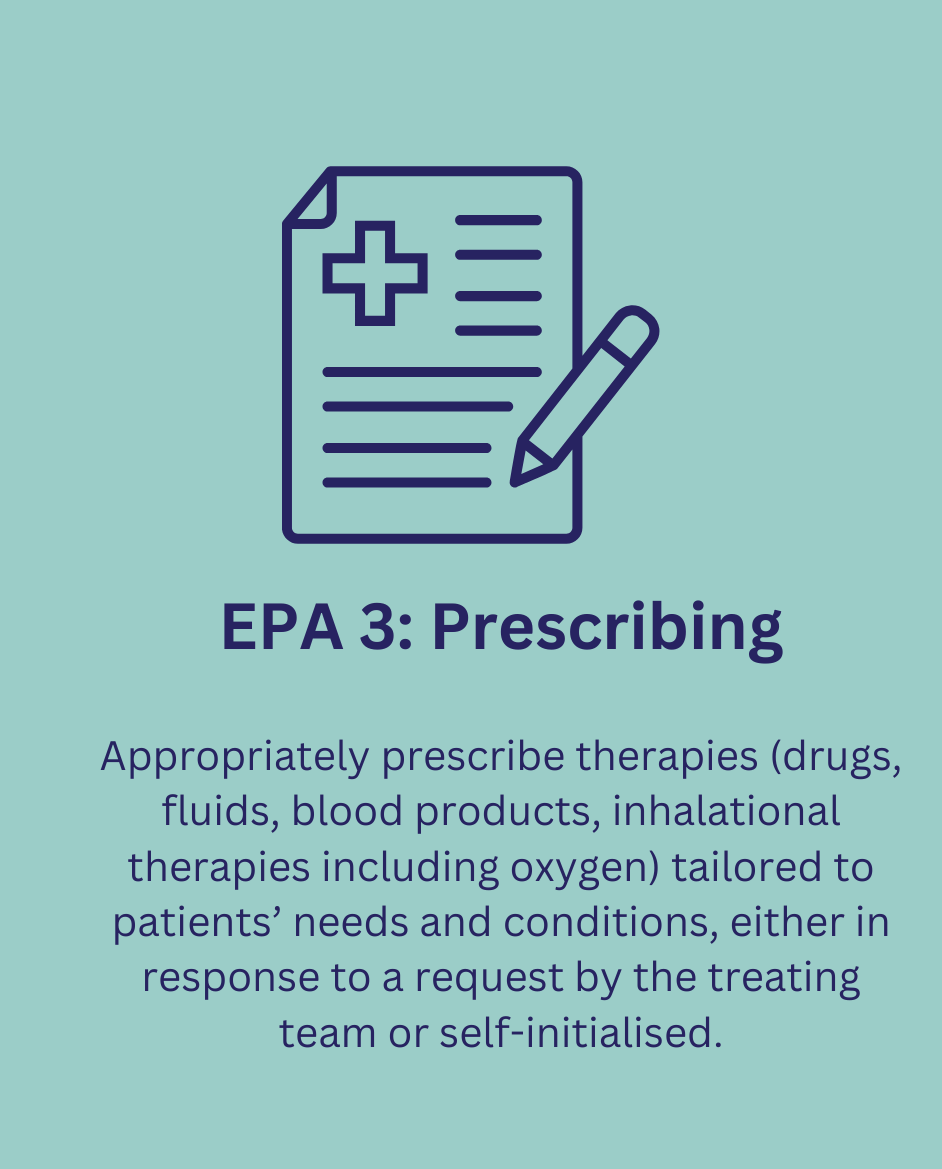
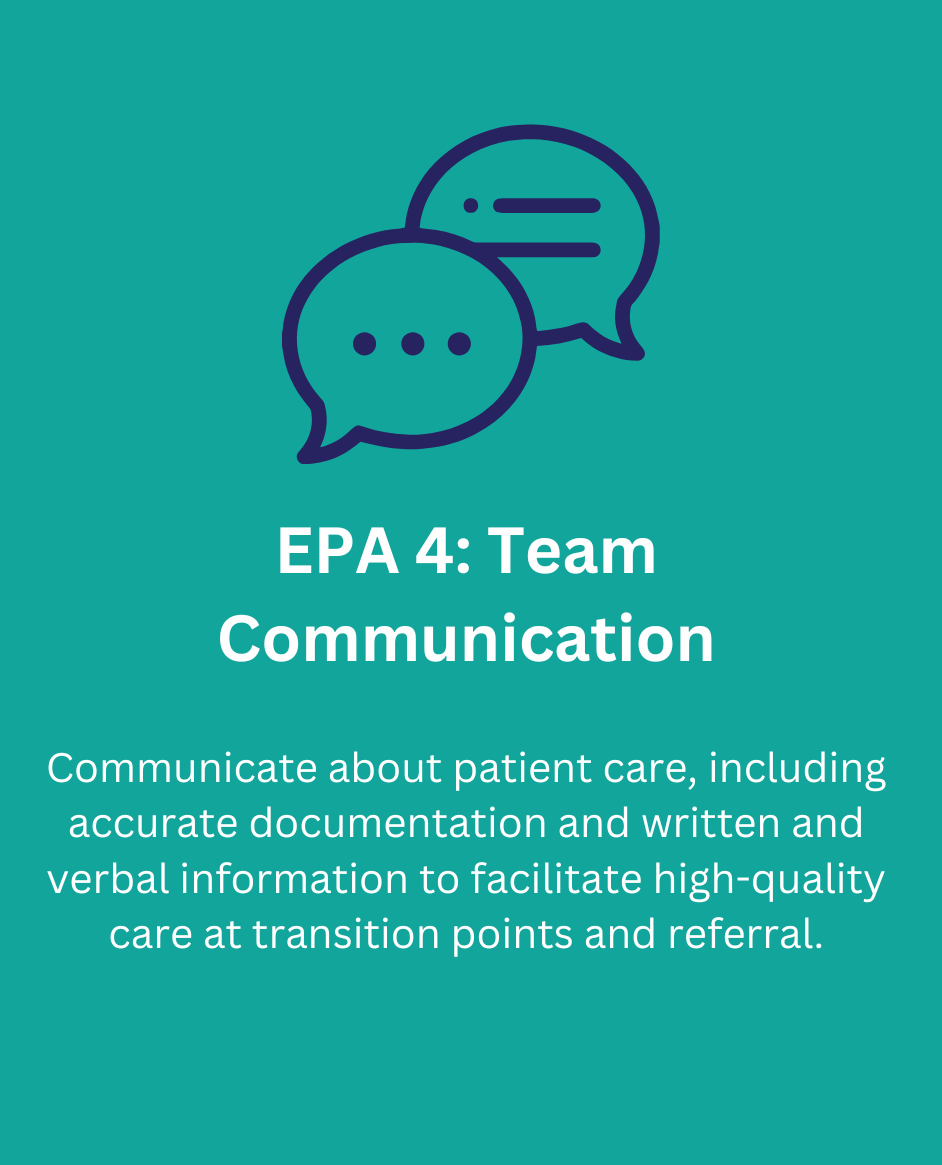
What tasks would be suitable for an EPA?
Want more examples?
Click HERE to access a more detailed list of examples.
Have more ideas for examples in your specialty?
Let us know via email, Teams or Baret!
Who can assess EPAs?
Consultants
Registrars
Pharmacists (only EPA 3)
Do you need to be trained?
Allassessors must complete PMCV's 7 minute long Training Video for EPA Assessors (Module 7 - Search Monash Health Latte for "New JMS Framework Training" for videos)
What are some key things to keep in mind when assessing EPAS?
Conversations:
Conversations Progress Learning
Try these next time you assess an EPA:
"For me to be able to see you progress to independent, this is what I would need to observe"
"What are 1-2 things you could work on to move to the next level?"
Stretch (assess adaptive competence): "How would your management change if the patient had ____ as an additional problem"
Self-Reflection:
A key part of an EPA is Intern self-reflection
- Reflection can guide quality feedback discussions
This self-reflection can combine with feedback from the assessor to provide valuable points of discussion and areas for improvement.
What other benefits do EPAs provide?
EPAs will provide larger amounts of data about the proficiencies and competencies of the intern population.
The Education team, as well as individual units, can then use this data to guide immediate and future learning strategies.
They will also highlight anyone who may be struggling in a particular area, allowing for targeted support and education.